
I’m writing this as a parent who has been on both sides of the fence. I’ve been the one who rushed to intervene the moment my child said, “They were mean to me.” And I’ve also been the parent who chose to pause, listen and step back. The difference between these two approaches changed not just my child’s behavior, but my understanding of parenting itself.
When our children fight, argue or fall out with friends, it triggers something primal inside us. We want to protect them from pain, injustice and disappointment. That instinct comes from love. But love, when mixed with fear, can sometimes push us into decisions that feel right in the moment but don’t serve our children in the long run.
Smart parenting doesn’t mean cold parenting. It means intentional parenting. And one of the hardest yet most powerful decisions a parent can make is learning when not to interfere in their child’s fights.
What happens next, when parents step back thoughtfully, often surprises them.
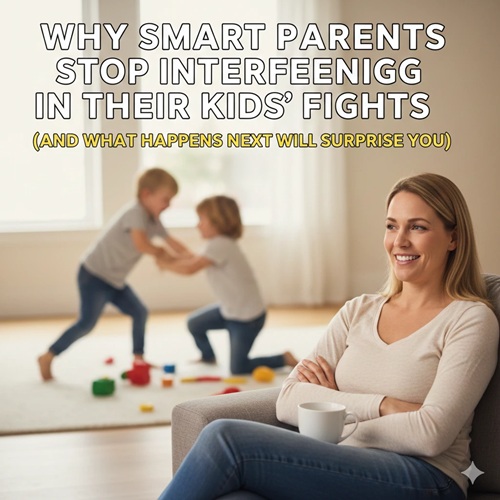
The First Instinct: Protect at All Costs
Most parents don’t interfere because they enjoy conflict. They interfere because they care deeply. When a child comes home upset, voice shaking, eyes watery, it feels unbearable to do nothing.
In that moment, our minds jump ahead. What if this affects their confidence? What if the other child is wrong? What if my child gets hurt again tomorrow? These thoughts don’t make us bad parents. They make us human.
But acting on fear instead of understanding can lead to over-involvement. And over time, that can quietly chip away at the very strength we want our children to develop.
Why Kids’ Fights Are Not the Same as Adult Conflicts
Children fight differently than adults. Their arguments are raw, emotional and often short-lived. What feels dramatic today may be forgotten tomorrow.
Adults, however, view these conflicts through a mature emotional lens. We attach meaning, intent and consequences that children themselves may not see. When parents step in with adult logic and authority, a small disagreement can suddenly feel huge.
Children need space to process their own emotions at their own pace. Constant adult involvement can interrupt that natural process.
What Really Happens When Parents Always Interfere
When parents regularly step in to solve conflicts, children begin to internalize certain beliefs, often without realizing it.
They may start believing that they cannot handle problems on their own. They may feel that uncomfortable emotions are dangerous and need immediate fixing. Some children even learn that playing the victim brings adult attention and intervention.
None of this is intentional. But patterns form quickly in childhood, and those patterns can follow them into adolescence and adulthood.
For Regular Updates On Parenting Tips, follow us on Instagram.
The Confidence Shift When Parents Step Back
Here’s the surprising part. When parents stop interfering in every small fight, something changes in children.
They begin to speak up more clearly. They learn how to explain their feelings. They test boundaries, make mistakes and adjust their behavior. Slowly, they realize they have the ability to influence outcomes.
Confidence doesn’t come from always winning. It comes from trying, failing, learning and trying again.
Children who resolve conflicts on their own often walk away feeling stronger, even if the result wasn’t perfect.
Learning Emotional Regulation Through Real Experiences
Emotional regulation cannot be taught only through words. It must be experienced.
When parents rush to solve conflicts, children are shielded from emotional discomfort. But discomfort is not danger. It’s a necessary part of emotional growth.
By sitting with feelings like anger, sadness and frustration, children learn that emotions pass. They learn how to calm themselves, reflect and respond more thoughtfully the next time.
These are life skills that no lecture can replace.
The Problem with Always Taking Your Child’s Side
It’s natural to believe your child. But believing doesn’t have to mean defending without reflection.
When parents automatically take their child’s side, children may miss an important lesson: accountability. Every conflict has more than one perspective. Sometimes our children are wrong. Sometimes they hurt others without meaning to.
When parents help children reflect instead of defend, they teach responsibility, empathy and self-awareness. These qualities build strong character far beyond childhood.
Social Consequences Parents Often Don’t See
Children live in social ecosystems that parents are not fully part of. Friendships, peer groups and classroom dynamics are delicate.
When parents intervene too often, children may feel embarrassed or exposed. Other kids may pull away, fearing adult involvement. Over time, this can affect a child’s social confidence and sense of belonging.
Allowing children to handle their own conflicts helps them build peer respect and social credibility.
Resilience Is Built Through Struggle, Not Rescue
Resilience doesn’t come from a smooth childhood. It comes from navigating challenges and realizing you can survive them.
When parents remove every obstacle, children don’t develop resilience. They develop dependence. Later in life, when parents are no longer there to intervene, these children may feel overwhelmed by normal challenges.
Letting children struggle in safe, age-appropriate ways prepares them for the realities of adulthood.
Anxiety and Overprotection: An Invisible Connection
Children watch their parents closely. When parents react strongly to every conflict, children may begin to see the world as threatening.
This can lead to anxiety, fear of social interaction and avoidance of conflict altogether. Children may become hesitant to form friendships or express themselves honestly.
Calm parental responses send a powerful message: conflicts are manageable and you are capable.
Support Without Control: The Smarter Parenting Approach
Stepping back doesn’t mean stepping away.
Smart parents stay emotionally available while giving children space to act. They listen without interrupting. They ask questions instead of giving commands. They guide reflection instead of enforcing solutions.
This balance allows children to feel supported without feeling controlled.
Teaching Problem-Solving Instead of Providing Solutions
Instead of telling children what to do, parents can ask thoughtful questions. What do you think happened? How did that make you feel? What do you think you could do differently next time?
These conversations encourage critical thinking and emotional intelligence. Over time, children begin asking themselves these questions naturally.
That’s when real growth happens.
Knowing When to Step In Matters
There are situations where parental involvement is necessary. Bullying, physical harm, repeated harassment, or emotional abuse should never be ignored.
Smart parenting is not about staying silent. It’s about responding appropriately. The key is distinguishing between normal childhood conflict and situations that require adult protection.
Most daily arguments fall into the first category.
Trust Is Built When Parents Let Go
One unexpected outcome of stepping back is deeper trust. When children feel trusted, they open up more. They share honestly, not just when things go wrong, but when they go right too.
Children who feel respected are more likely to seek advice voluntarily. That trust strengthens the parent-child bond in ways control never can.
A Personal Realization Many Parents Have Too Late
Many parents realize this only after years of over-involvement. They notice their child hesitating, doubting themselves or avoiding conflict entirely.
The good news is that it’s never too late to adjust. Children adapt quickly when parents change their approach.
Stepping back today can still create powerful changes tomorrow.
Parenting Is About the Long Game
In the moment, interfering may feel like love. In the long run, restraint is often the greater gift.
Our job is not to protect children from every hardship, but to prepare them for life. That preparation happens in small, everyday moments, including playground arguments and classroom disagreements.
These moments shape who our children become.
What Happens Next When Parents Stop Interfering
Children grow. They stumble. They learn. They surprise us.
They become more confident, emotionally aware and socially capable. They learn to stand up for themselves and respect others. They develop resilience that carries them into adulthood.
And parents discover something too. That their children are stronger than they imagined.
Final Thoughts from One Parent to Another
Letting go doesn’t mean letting down. It means trusting the process of growth.
Smart parents don’t stop caring. They stop controlling. They shift from rescuers to guides, from problem-solvers to mentors.
And when they do, something truly surprising happens. Their children rise to the challenge, one conflict at a time.

Hi, I’m Prashant Jain — a curious soul, storyteller, and content creator at heart.I’ve always been drawn to the world of entertainment, travel, sports, health & lifestyle — not just as a writer, but as someone who genuinely lives these experiences. Whether I’m binge-watching the latest OTT series, exploring offbeat spiritual destinations in India, or diving deep into wellness routines and cricket match insights, I love sharing what I discover with like-minded readers.
PopNewsBlend is my way of blending personal journeys with meaningful stories — ones that inform, inspire, and keep you ahead of the curve. Everything I write comes from real observations, hands-on experiences, and a deep passion for understanding the world around us.
Discover more from Popnewsblend
Subscribe to get the latest posts sent to your email.
Related posts:
 How to Reduce Screen Time for Kids Without Stress: A Friendly Parent’s Guide
 How To Protect Kids From Bullying : A Parent’s Guide to Understanding, Preventing, and Responding the Right Way
 The Lost Art of Eating Together: Why It Matters More Than Ever
 Helping Your Child Overcome Fear: A Parent’s Guide to Raising a Confident, Emotionally Secure Kid