
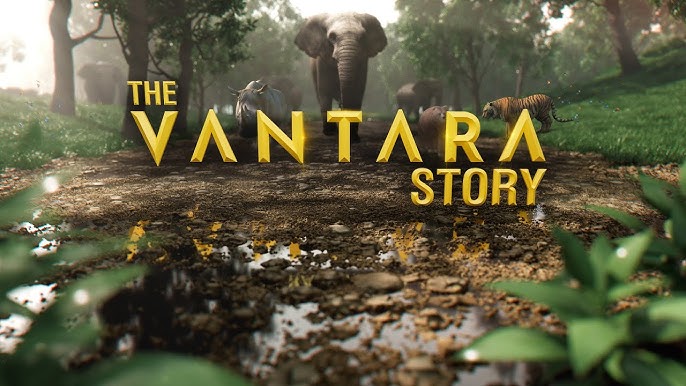
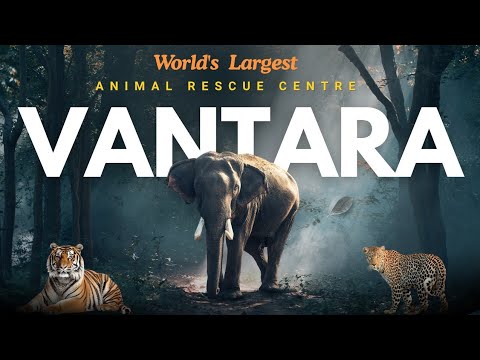
Vantara arrived on the global radar as a single line, jaw dropping claim, the world’s largest wildlife rescue, rehabilitation and care campus. Built on thousands of acres in Jamnagar, Gujarat, and backed by one of India’s most powerful corporate families, Vantara promises world class veterinary facilities, a huge elephant hospital, and species level rescue programmes. But since the project became public it has also sparked intense debate about scale, sourcing, transparency and whether privately run mega sanctuaries are an ethical model for conservation.
What is Vantara and who owns it?
Vantara is a large scale wildlife rescue, rehabilitation and research initiative created and funded by the Reliance Foundation (the philanthropic arm of Reliance Industries). The project has been publicly associated with Anant Ambani, who has led the initiative’s unveiling and PR. Reliance Foundation describes Vantara as a rescue and rehabilitation campus built to treat injured, displaced or trafficked animals and to conduct veterinary and conservation research.
Where is Vantara and how large is the campus?
Vantara’s campus sits near Motikhavdi village in Jamnagar district, in the western Indian state of Gujarat. The site spans roughly 3,500 acres (about 12.1 square kilometres), making it unusually large for a zoo/rescue facility. Within that campus there are specialised units such as a primary conservation/rescue zone (reported at around 650 acres for the Greens Zoological Rescue and Rehabilitation Centre) plus extensive veterinary, quarantine and administrative infrastructure.
When did Vantara start operations?
The project was publicly launched in 2024 and had a high profile inauguration attended by senior leaders in 2025. Official timelines differ by a little, Reliance Foundation presented Vantara in late 2024 and the site received wide media attention after an inauguration in early 2025, but the facility’s scale and public unveiling happened across late-2024 to early-2025.
What all animals live at Vantara?
Reported figures vary between outlets, but Vantara has been described as home to an extremely large number of animals across many species. Independent and media reports list numbers such as over 150,000 individual animals and more than 2,000 species, and other early reports cited tens of thousands of animals across mammals, birds, reptiles and exotic species. Key groups highlighted by coverage include large mammals (elephants, big cats and ungulates), exotic species airlifted to the campus in organised consignments, and specialised rescue cases needing surgery or long-term rehabilitation. Vantara’s own communications emphasise elephant care, big cat units and a large wildlife hospital.
Why was Vantara created?
According to Reliance Foundation messaging and interviews with project leads, Vantara is positioned as an answer to several perceived gaps in India and the region:
- to provide advanced veterinary care and rehabilitation for injured or trafficked wildlife;
- to create large, species-appropriate facilities (for example an elephant hospital with therapy pools and imaging equipment);
- to become a centre for conservation research and capacity building for wildlife rescue operations.
Those objectives are consistent with how many modern conservation centres describe themselves, but the size and private funding model of Vantara make it exceptional.
Facilities and capabilities — what’s on site?
Multiple reports and Vantara’s own descriptions list several high-end facilities:
- A dedicated elephant hospital with hydrotherapy pools and specialised surgical and diagnostic equipment
- A large wildlife hospital and research centre with CT/MRI/X-ray and quarantine suites
- Species-specific care zones for big cats, herbivores and reptiles
- Laboratories for wildlife health and conservation research
- Long-term enclosure systems designed to blend into the landscape rather than look like cages
Vantara claims modern veterinary standards and an ability to accept complex rescue and rehabilitation cases that smaller government zoos or rescue centres cannot.
Is Vantara open to the public?
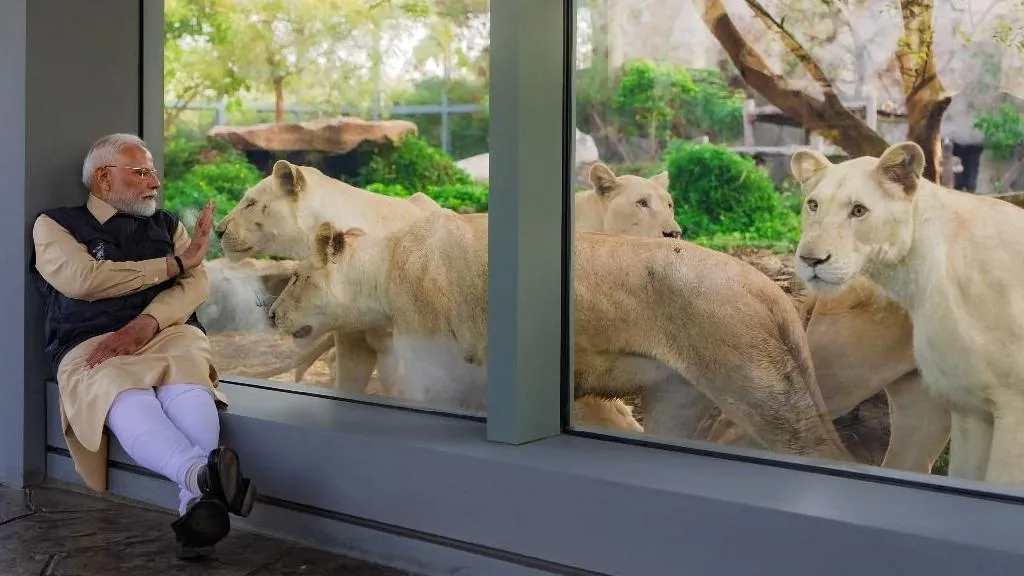
No — Vantara has been described as an off-display, non-public access facility focused on rescue and rehabilitation rather than tourism. That means it functions more like a large rescue campus than a public zoo or safari park. The off-public model is one reason commentators have raised questions about transparency and oversight.
Awards, public praise and official support
Vantara and its backers have highlighted recognitions such as national animal welfare awards and praise from public figures. Media coverage of official visits and inauguration events underscored that Vantara was positioned as a national-scale philanthropic effort for animal welfare. Supporters say that a well-funded private partner can bring infrastructure, veterinary technology and rapid logistics that benefit injured wildlife.
The controversies — what are critics saying?
The intense scrutiny of Vantara falls into a few main categories. Below are the major points raised by NGOs, investigative reports and courts:
1. Questions about animal sourcing and international transfers
Investigations and reporting have alleged that Vantara acquired very large numbers of animals through international transfers and that some of these shipments originated from countries where wildlife trafficking and dubious breeding operations are a concern. Critics warn that large, opaque purchases, even when framed as “rescues”, can create demand that feeds illegal capture and trade. Vantara and Reliance Foundation have denied wrongdoing and said all transfers complied with law; nevertheless the scale of imports attracted regulatory and civil-society attention.
2. Scale versus capacity
Bringing tens of thousands of individual animals into a single campus raises practical questions about veterinary capacity, long-term husbandry, genetic management, and species-appropriate environments. Zoologists and some government inspectors asked whether staffing levels, breeding plans, and ecological design were adequate for the declared numbers. Public criticism has emphasised that a higher animal count does not equal better conservation outcomes.
3. Allegations of ‘vanity project’ and private control
Because Vantara is privately funded and not publicly accessible, some activists describe it as a prestige project for a wealthy patron rather than a transparent conservation facility managed in partnership with public conservation bodies. Critics call for transparent records on acquisitions, health audits and independent oversight so the public interest is protected.
4. Legal and regulatory scrutiny
Public interest litigations and NGO petitions led to deeper legal review. In 2025 India’s Supreme Court ordered an independent investigation into several allegations, including animal welfare standards and acquisition practices, a sign the controversy moved well beyond opinion pieces to formal inquiry.
5. Location concerns
Some commentators noted the Jamnagar region’s industrial profile (including large refinery operations) and asked whether proximity to heavy industry was an appropriate location for a massive wildlife campus — both in terms of environmental suitability and risk. There were also worries about heat, local ecology and long-term welfare in a largely arid region.
Vantara’s response
Vantara and its parent foundation have publicly rejected allegations of wrongdoing. Their responses stress:
- Compliance with national and international wildlife transfer and import/export regulations
- A stated commitment to welfare, transparency and cooperation with authorities
- The argument that large-scale investment was needed to create modernised rescue infrastructure that smaller institutions cannot sustain.
Wherever possible, the facility has invited audits and promised cooperation with judicial and regulatory processes. At the time of reporting, official investigations were under way and panels had been appointed to review practices.
So — is Vantara good for conservation or not?
There is no single, tidy answer. The project demonstrates the potential of significant private investment to create veterinary capacity and rescue infrastructure that governments sometimes lack. Large, well-run rehabilitation hospitals can save lives and act as centres for research and training.
At the same time, conservationists stress that good intentions are not enough. Scale requires rigorous transparency, third-party oversight, ethical sourcing, and long-term plans for animal welfare, genetic management and reintroduction (where relevant). The controversy around Vantara has served to highlight that privately funded conservation at this scale must be paired with clear governance, published animal-acquisition records, and independent welfare audits to be credible long-term.
What to watch next
- Findings and recommendations from the independent judicial/regulatory panel appointed by India’s Supreme Court
- Publishing of detailed acquisition records and health audits by Vantara
- Peer-reviewed research or third-party statements on the welfare outcomes of animals treated and released (if any)
- Any policy shifts in India around private zoos, import/export of live animals, and wildlife rehabilitation oversight
Frequently Asked Questions (FAQ)
Is Vantara a public zoo where I can buy tickets and visit?
No — Vantara has been described as an off-display rescue and rehabilitation campus, not open to general public visitation. Its focus is claimed to be medical care, quarantine and rehabilitation rather than tourism.
Who funds and manages Vantara?
Vantara is a Reliance Foundation initiative with operational backing from entities associated with the Foundation; public-facing leadership has been associated with Anant Ambani. The Greens Zoological Rescue and Rehabilitation Centre is one named operational arm.
How many animals live at Vantara?
Reported figures vary by source; major outlets reported numbers in the tens to hundreds of thousands of animals and thousands of species in early 2025 reporting. Independent verification and itemised animal lists have been the subject of calls for transparency.
Are there legal or regulatory investigations into Vantara?
Yes. Following petitions from NGOs and media investigations, India’s Supreme Court ordered an independent investigation into multiple allegations including sourcing, welfare and regulatory oversight. The process and final findings were pending at the time of reporting.
Has Vantara been accused of illegal wildlife trade?
Investigative reporting and NGOs have raised concerns about the origins of some imported animals and the risk that large-scale acquisitions could incentivise illegal trade. Vantara denies illegal activity and asserts compliance with law; formal investigations have been launched to examine the claims.
Does Vantara do reintroductions into the wild?
Public material emphasises rescue, medical care and rehabilitation. Plans for reintroduction and long-term conservation outcomes would need to be verified in detailed operational plans or third-party reports; transparency on such programmes has been one of the issues raised by critics.
Final thoughts
Vantara is a headline-making example of how private money can create conservation infrastructure at an unprecedented scale. That scale brings real potential benefits for veterinary care and rescue logistics. But it also raises unavoidable questions about provenance, governance and long-term ecological fit. The project’s future credibility will depend on independent audits, open records, and demonstrable welfare and conservation outcomes — not only press coverage and awards. Until those facts are fully in the public domain, Vantara will remain an ambitious and contested experiment at the intersection of philanthropy, power and wildlife preservation.
For more such Trending News and Updates, Follow Popnewsblend.com.

Hi, I’m Prashant Jain — a curious soul, storyteller, and content creator at heart.I’ve always been drawn to the world of entertainment, travel, sports, health & lifestyle — not just as a writer, but as someone who genuinely lives these experiences. Whether I’m binge-watching the latest OTT series, exploring offbeat spiritual destinations in India, or diving deep into wellness routines and cricket match insights, I love sharing what I discover with like-minded readers.
PopNewsBlend is my way of blending personal journeys with meaningful stories — ones that inform, inspire, and keep you ahead of the curve. Everything I write comes from real observations, hands-on experiences, and a deep passion for understanding the world around us.
Discover more from Popnewsblend
Subscribe to get the latest posts sent to your email.






Thanks for sharing. I read many of your blog posts, cool, your blog is very good.
Can you be more specific about the content of your article? After reading it, I still have some doubts. Hope you can help me.