
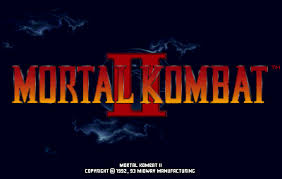
Let me be upfront about something. I have been a Mortal Kombat fan since I was old enough to punch in the Konami code and pretend I knew what I was doing. The games, the characters, the mythology — all of it. So when the 2021 reboot came out, I watched it the first weekend with full expectations, came out with mixed feelings, and spent the next few years genuinely wondering whether the sequel was going to fix what was broken or just add more chaos to it.
Mortal Kombat II is now in cinemas. I have seen it. I have opinions. A lot of them.
The short version: this movie is exactly as messy and exactly as fun as you are hoping it will be, depending on which part of that sentence you are paying attention to. Karl Urban as Johnny Cage is an absolute blast. Adeline Rudolph as Kitana might be the best thing to happen to this franchise in years. The fights hit harder. The blood is more generous. And the actual tournament — the thing the first film was so frustratingly missing — is finally here.
But the script is still fighting a losing battle against the weight of too many characters, and not everyone gets the screen time they deserve. Some of them feel like background decorations at their own party.
So is Mortal Kombat II worth watching? For most people reading this, yes. Let us go through all of it properly.
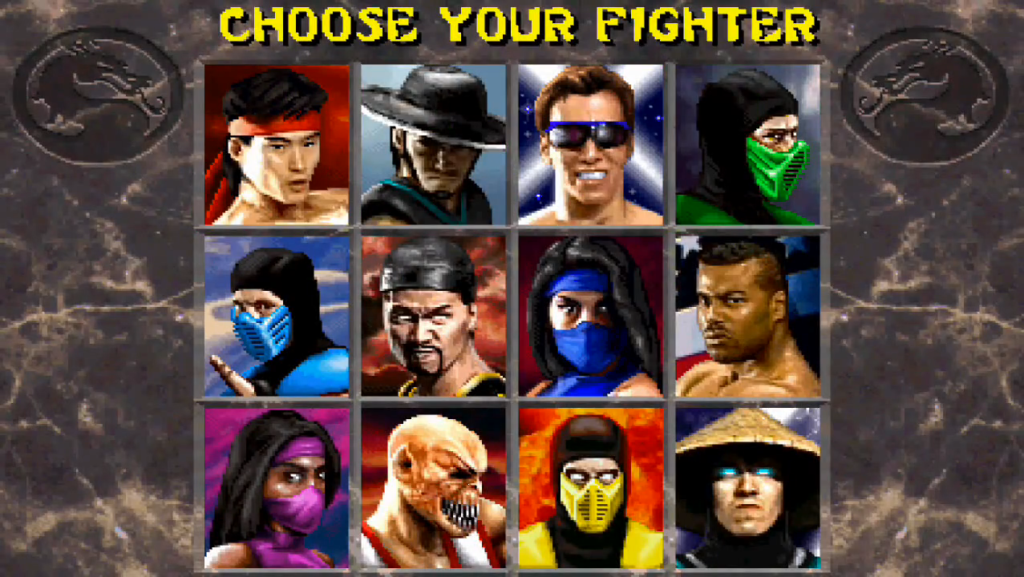
What Is Mortal Kombat II?
Mortal Kombat II is a 2026 American martial arts fantasy film directed by Simon McQuoid, written by Jeremy Slater, and produced by Warner Bros. Pictures and New Line Cinema. It is the direct sequel to the 2021 Mortal Kombat reboot, the fourth film in the overall Mortal Kombat franchise, and the second chapter of what co-writer Greg Russo has confirmed is a planned trilogy.
It premiered at the TCL Chinese Theater in Hollywood on April 27, 2026, and opened wide in cinemas on May 8, 2026. The runtime is 1 hour 56 minutes, rated R for strong bloody violence — as it absolutely should be.
The film is based on the iconic video game franchise created by Ed Boon and John Tobias, the same series that has been rattling the teeth of gaming’s moral guardians since 1992 and spawning some of the most brutal, creative, and frankly unforgettable finishing moves in the history of entertainment. Series co-creator Ed Boon even has a cameo in the film as a bartender, which is the kind of thing only hardcore fans are going to fully appreciate and everyone else is going to smile politely at.
The Story of Mortal Kombat 2021 — Before We Get to the Sequel
If you have not seen the 2021 film or need a refresher before walking into the sequel, here is the condensed version.
The 2021 reboot introduced us to Cole Young, a washed-up MMA fighter played by Lewis Tan. Cole has a mysterious birthmark that marks him as a chosen champion of Earthrealm, destined to fight in a supernatural tournament called Mortal Kombat. The tournament is essentially the universe’s way of settling territorial disputes between dimensions — Earthrealm versus Outworld, ten wins to claim dominance.
Outworld, led by the sorcerer Shang Tsung, has already won nine consecutive tournaments. One more loss for Earthrealm, and Shao Kahn — the emperor of Outworld — gets to invade and conquer Earth. So the stakes are, theoretically, as high as they can possibly get.
The film assembled a roster of familiar names from the games — Liu Kang, Sonya Blade, Kano, Jax, Kung Lao, Lord Raiden, Scorpion — and threw them at each other and at Outworld’s fighters. The action was genuinely impressive in places. The blood and fatalities were committed and satisfying. But the plot was a mess, Cole Young was a character nobody had ever seen in the games (he was created specifically for the film), and the biggest sin of all — the actual tournament never happened. The whole first movie was a buildup to something that kept not arriving.
The film ended with a post-credits scene of Cole heading to Hollywood to recruit Johnny Cage. Fans lost their minds with anticipation. And then they waited five years.
Mortal Kombat II: Full Plot Breakdown
Mortal Kombat II opens with a bang — literally. Shao Kahn, the enormous, skull-helmeted emperor of Outworld, murders King Jerrod of Edenia in front of young Kitana’s eyes. It is a cold, brutal scene that does exactly what an opening should do: it establishes the villain’s scale of violence and gives you an emotional stake in Kitana’s story before a single word of exposition has been spoken
From there, the film cuts to Earth, where we meet Johnny Cage for the first time. Johnny — played by Karl Urban with the kind of commitment that suggests he enjoyed every single second of this role — is a former action movie star from the 1990s whose career has long since dried up. He is the kind of man who still has a walk-in closet full of press clippings and a deep, abiding belief in his own talent that the rest of the world stopped sharing about twenty years ago.
Lord Raiden and the returning Earthrealm champions track Johnny down because the tournament demands champions, and Johnny’s bloodline — like Cole’s before him — marks him as one. Johnny’s response to being told he needs to fight to save humanity in a supernatural martial arts competition is predictably resistant, chaotic, and extremely funny. He eventually has no choice but to comply.
The tournament itself is the centrepiece of the film in a way the 2021 movie never allowed itself to be. Earthrealm’s champions — Cole Young, Liu Kang, Sonya Blade, Jax, Kung Lao, Scorpion, and now Johnny Cage — are pitted against Outworld’s fighters in one-on-one battles. The loser of each fight dies. That is not metaphor. That is the actual structure of the thing, and McQuoid finally leans into it properly here.
On the Outworld side, Kitana is navigating something far more complicated than just fighting. She is a princess serving a man who murdered her father, trying to protect her mother Queen Sindel and her friend Jade while quietly working to undermine Shao Kahn’s power from the inside. Her storyline is the most emotionally complete thread in the entire film, and Adeline Rudolph carries it with a combination of controlled fury and genuine heartbreak that makes you wish the whole movie was just about her.
The main villain machinery involves a magical amulet that could grant Shao Kahn immortality. If he gets it, Earth is finished regardless of the tournament’s outcome. So while the official fights are happening in the tournament arena, there is a parallel race to stop Kahn from securing that power — which naturally involves the various Earthrealm champions doing more than just waiting their turn to compete.
Kano returns — now as a revenant, having been killed in the first film — and Josh Lawson continues to be the most reliably entertaining presence in this franchise. Every scene he is in gets faster, louder, and more alive. He understands that Kano’s entire appeal is the complete absence of self-seriousness, and he plays that with brilliant accuracy.
The film climaxes with three simultaneous major battles happening across different locations — a structure that sounds exciting on paper and is executed with solid enough choreography, though the emotional stakes get slightly diluted when you keep cutting away from each fight just as it is reaching its peak.
You May Also Like :
Mortal Kombat II: Full Cast
Karl Urban as Johnny Cage — The New Zealand actor is here, the frosted tips are present, and Urban commits completely to a character who could have easily been played at a low-energy smirk. Known for Billy Butcher in The Boys, Éomer in Lord of the Rings, Judge Dredd in Dredd, and Skurge in Thor: Ragnarok, Urban brings genuine screen credibility to a role that needed someone who could carry both the comedy and the physicality without dropping either. He is at his best when he is being loud, physical, and irreverent. He is less convincing in the quieter dramatic moments where the script asks him to show depth that it has not really built up properly. But as pure entertainment? He lands it
Adeline Rudolph as Kitana — The standout performance of the film. Rudolph brings a genuine emotional weight to the princess of Edenia that makes every scene she is in feel like it costs something. Her arc is the most coherent, her motivation is the clearest, and her fight scenes are choreographed with a precision and elegance that make every other combat sequence look slightly messy by comparison. She wields Kitana’s iconic steel fan blades with complete conviction.
Lewis Tan as Cole Young — Cole has been moved from protagonist to supporting player in this film, which is honestly the right call. He functions better here as part of an ensemble than he did as the central figure of the first movie.
Jessica McNamee as Sonya Blade — Sonya is unfortunately one of the characters who gets short-changed by the script. She spends much of the film reacting to other people’s decisions and does not get a fight sequence that truly showcases her properly. McNamee does what she can with what she is given, but she deserved more.
Josh Lawson as Revenant Kano — Back from the dead, still absolutely unhinged, still the most watchable person on screen whenever he appears. Lawson has figured out exactly how to play this character and the film is wise enough to keep leaning on him.
Ludi Lin as Liu Kang — Solid and reliable, but like Sonya, not given quite enough to do in a film that is juggling too many characters.
Mehcad Brooks as Jax — Brooks brings physicality and warmth to Jax. The character’s robot arms get a satisfying showcase in one of the tournament fights.
Tati Gabrielle as Jade — Jade is Kitana’s loyal friend and protector, and Gabrielle plays her with a fierce quietness that works well. Her relationship with Kitana is one of the film’s more genuine emotional connections.
Hiroyuki Sanada as Scorpion — Scorpion is back despite dying in the first film, and Sanada brings the same gravitas he always has to the role. His connection to Cole provides one of the more emotionally resonant threads of the sequel.
Joe Taslim as Bi-Han / Noob Saibot — Joe Taslim’s character has evolved since the first film, and his presence here carries some genuine menace.
Tadanobu Asano as Lord Raiden — Raiden functions here primarily as exposition delivery and moral compass, which does not give Asano much room to breathe. He is better used in the scenes where Raiden has to make a difficult call rather than just explaining tournament rules.
Martyn Ford as Shao Kahn — At 6 feet 8 inches of physical presence, Martyn Ford was born to play a character like Shao Kahn. He does not need to act particularly hard — the size and the production design do most of the work — but he is convincingly menacing when the film allows him to be.
Ana Thu Nguyen as Queen Sindel — Limited screen time but a commanding presence. Sindel’s relationship with Kitana is handled with more care than most of the film’s supporting relationships.
Damon Herriman as Quan Chi — The sorcerer and manipulator is a welcome addition to the villain roster. Herriman plays the character with a particular slippery quality that suggests someone always working three moves ahead of everyone else.
CJ Bloomfield as Baraka — Baraka is one of the most visually striking characters in the games, and Bloomfield’s physical performance and the makeup work here make him genuinely intimidating. His fight with Johnny Cage is one of the film’s better sequences.
Desmond Chiam as King Jerrod — A brief but important appearance in the opening that sets up Kitana’s entire emotional journey.
Max Huang as Revenant Kung Lao — Returns from the first film and gets some decent moments in the tournament fights.
Ed Boon — The co-creator of the entire Mortal Kombat franchise appears as a bartender in a blink-and-miss-it cameo that will make game fans very happy.
Mortal Kombat 2 vs Mortal Kombat 2021 — How Does the Sequel Compare?
This is the question that matters most to anyone who saw the first film with complicated feelings, and the answer is: better in most ways, but not the massive leap forward the franchise needed.
The first film’s biggest problem was that it spent 110 minutes building up to a tournament that never happened. The second film fixes that. The tournament is here. The fights are structured around it. Champions versus champions, with death on the line. That correction alone makes this feel significantly more like the Mortal Kombat experience fans have been waiting for since 1995.
The fight choreography is also a genuine step up. McQuoid has become more confident behind the camera in action sequences, and there are moments in this film where the staging feels genuinely inspired — particularly in the Johnny Cage versus Baraka fight, and Kitana’s most extended combat sequence. There is also a stylistic callback to the classic side-scrolling game format that appears in the April 2026 trailer and in the film itself — a self-aware nod to the source material that lands well because the film earns it rather than forcing it.
The blood and the fatalities are more committed here than they were in 2021. If you watch Mortal Kombat for the spectacularly creative violence, this film will not disappoint you. Skulls get diced. People get bisected. The film takes its R rating very seriously.
What has not significantly improved is the screenplay. Jeremy Slater is working with a roster of characters that would challenge any writer, and the result is a film where several fan favourites feel like supporting extras at their own movie. Sonya Blade, who was a more central figure in the first film, barely registers here. Liu Kang is functional but underused. Cole Young has been wisely demoted from lead to ensemble member, which helps, but the film still struggles to service everyone it has invited to this party.
The first film also had a specific quality in its best moments — a kind of earnest, sincere commitment to its own mythology that made you want to care about these characters despite the messy plotting. The sequel is slightly more self-aware and comedic, which mostly works but occasionally tips into a mode where it is winking at the audience a little too hard. The pop culture references that Johnny Cage drops — Squid Game, Big Trouble in Little China — get a laugh the first time and start to feel forced by the third.
The verdict on the comparison: Mortal Kombat II is a better film than the 2021 version. It is not a dramatically better film. But for fans of the franchise, the improvements matter and the experience is more satisfying.
Direction and Writing
Simon McQuoid returns in the director’s chair and shows genuine growth. The first film was the work of someone still figuring out how to manage a property this big. The sequel is the work of someone who has had time to think about what went wrong and course-correct with intention.
His action staging is more creative this time. The decision to reference the game’s iconic side-scrolling camera perspective is a smart fan service choice that also genuinely works as a filmmaking decision. The big, multi-fight climax is ambitious in scope, even if the parallel cutting slightly deflates the tension of each individual battle.
Where McQuoid still struggles is in the quieter moments. The dramatic scenes between fights feel undercooked, and some of the emotional beats that should land — particularly in Johnny Cage’s arc — do not quite hit the way the script seems to intend. You get the impression that the film was more interested in getting to the next fight than in making the human moments between fights earn their place.
Jeremy Slater’s screenplay has some genuinely funny lines, and when it gives Kitana’s story proper room to breathe, it shows what this franchise could look like with more focused writing. The problem is the breadth. There are too many characters, and the script keeps trying to give everyone a moment while not having enough runtime to give anyone the depth they need.
The best version of this film is a Kitana movie. The film that was actually made is a Mortal Kombat ensemble movie that keeps getting distracted by its own ambition.
What to Expect When You Watch It
Go in expecting a film that is aware of what it is and is mostly comfortable with that. It is not trying to be The Dark Knight. It is not trying to be The Raid. It is trying to be a big, loud, gory, sometimes funny martial arts fantasy film that gives fans the tournament they have been waiting for and introduces one of the franchise’s most beloved characters in Karl Urban’s Johnny Cage.
Expect the fights to be good, especially the Kitana-heavy sequences and the Cage-versus-Baraka showdown. Expect the blood to flow freely and the fatalities to be creative. Expect Kano to steal several scenes. Expect some genuinely funny moments from Urban when the script hands him the right material.
Also expect a plot that you will need to not think too hard about, a screenplay that occasionally forgets some characters are in the movie, and a couple of pop culture references that will make you wince slightly. Expect Sonya Blade to deserve more than she gets. Expect the film to end with clear setup for a third chapter, because this is very much the middle film of a trilogy.
If you are going with a group of friends who love the games, this is a great cinema experience. The crowd energy for a film like this, in a room full of people who have been throwing fireballs and executing fatalities since they were kids, is something that significantly enhances the experience. Watch it on the biggest screen you can find.
Ratings — What Critics and Audiences Are Saying
Mortal Kombat II has landed with a divided but mostly positive response from critics. On Rotten Tomatoes, approximately 77 percent of critics gave the film a positive rating — a meaningful improvement over the 2021 film’s score. On Metacritic, the score sits lower, reflecting the gap between critics who found it entertaining enough and critics who found its flaws too significant to overlook.
IGN gave it an 8 out of 10, calling it a strong improvement over the first film and a satisfying fan service experience. TheGamer gave it 2.5 out of 5, criticising the handling of Johnny Cage and the overall script. The Hollywood Reporter called it strictly for the fans but acknowledged that it delivers on the things those fans actually want. Consequence called Karl Urban’s Johnny Cage a downright riot. IndieWire was significantly harsher, finding the back half of the film a slog.
The consensus from most critics who enjoyed it: if you like Mortal Kombat, this delivers the things Mortal Kombat is supposed to deliver. If you came in hoping for genuine dramatic storytelling, you are going to be frustrated.
Audience responses at early screenings have been enthusiastic. The early box office tracking suggests the film is set to roughly double the opening weekend of the 2021 film — a significant indicator that word of mouth is working in its favour and that the fan base has been energised by the changes.
On a personal note — as someone who grew up with the games and came out of the 2021 film wanting more and better — this sequel gave me more. Whether it gave me better is a more complicated answer. But sitting in that cinema watching Johnny Cage punch someone in a very specific anatomical location while grinning like he invented the move, I was not thinking about screenplay craft. I was just having a good time.
That counts for something.
To Get The Regular Updates On Latest Movie Release and Reviews, Please Follow Popnewsblend.com
Conclusion — Finish Him? Not Quite, But Close
Mortal Kombat II is a messy, frequently thrilling, occasionally frustrating, and ultimately fun film that serves its fan base better than its predecessor did. Karl Urban’s Johnny Cage is everything long-time fans hoped he would be when he appeared in that post-credits tease five years ago. Adeline Rudolph’s Kitana is a genuine revelation — a performance that transcends the limitations of the material around it and hints at how great this franchise could be if its emotional storytelling matched the quality of its fight choreography.
The tournament finally happens. The fights are better. The blood is appropriately excessive. And for two hours, you get to sit in a cinema with other people who have been shouting “GET OVER HERE” since 1992 and feel that collective joy of watching something made by people who genuinely care about this world.
The screenplay still needs work. Too many characters, not enough depth for most of them, and a couple of narrative threads that do not pay off the way they should. The film is better than the 2021 version but it is not yet the definitive Mortal Kombat movie that this franchise deserves.
That film might still be coming. The third installment — set after the tournament, according to the planned trilogy structure — has already been mentioned as in development. If the lessons from Mortal Kombat II are learned the way the lessons from the 2021 film clearly were, the third chapter could be the one that truly finishes what this reboot started.
For now, Mortal Kombat II is worth your time, your money, and your loudest seat in the house.
Rating: 3 out of 5 for critics looking for craft. 4 out of 5 for fans looking for a great time.
Frequently Asked Questions
Is Mortal Kombat II worth watching in cinemas?
Yes, particularly if you are a fan of the games or the franchise. The fight sequences and visual scale of the film are well-suited to a large cinema screen, and the crowd energy at a Mortal Kombat screening adds significantly to the experience. Watch it in IMAX if you have the option.
Do I need to watch the 2021 Mortal Kombat before Mortal Kombat II?
It is strongly recommended. Mortal Kombat II is a direct sequel that picks up from the ending of the 2021 film. Several characters are re-introduced with minimal explanation, and the emotional history between them — particularly around Scorpion and Cole Young — will carry more weight if you have seen the first film. You can watch the 2021 film on Max before heading to cinemas.
Who is the main character of Mortal Kombat II?
The film operates as a proper ensemble, but the two characters who receive the most narrative focus and screen time are Johnny Cage (Karl Urban) and Kitana (Adeline Rudolph). Both are introduced as new central characters in this sequel, with most reviewers agreeing that Kitana’s storyline is the stronger and more emotionally resonant of the two.
Who plays Johnny Cage in Mortal Kombat II?
Karl Urban plays Johnny Cage. Urban is a New Zealand actor known for his roles in The Boys, Thor: Ragnarok (as Skurge), Dredd (as Judge Dredd), the Lord of the Rings trilogy (as Éomer), and the Star Trek reboot series (as Dr. Leonard McCoy). His casting was announced in 2023 and was received with significant enthusiasm by fans of both Urban and the franchise.
Is Mortal Kombat II appropriate for children?
No. The film is rated R for strong bloody violence. It contains graphic combat, detailed fatality sequences, and the kind of gore that has been central to the Mortal Kombat brand since the games launched in 1992. It is not appropriate for young children or for anyone who is uncomfortable with explicit fantasy violence.
What is the Rotten Tomatoes score for Mortal Kombat II?
Mortal Kombat II opened with approximately 77 percent on Rotten Tomatoes, indicating that the majority of critics gave it a positive rating. The Metacritic score is lower, reflecting more mixed critical opinion. Audience response at early screenings has been enthusiastic.
Does Mortal Kombat II have a post-credits scene?
Based on what has been reported from early screenings, the film contains material setting up the third installment. Specific post-credits scene details have not been widely confirmed ahead of the wide release, but given the franchise’s track record — the 2021 film’s Johnny Cage tease was one of the most effective post-credits sequences in recent memory — it is advisable to stay through the credits.
Who is Shao Kahn in Mortal Kombat II and who plays him?
Shao Kahn is the emperor of Outworld and the primary villain of Mortal Kombat II. He is played by Martyn Ford, a British actor and former professional cricketer who stands 6 feet 8 inches tall. Ford’s physical presence makes him ideally suited to a villain who is defined partly by sheer size and imposing force. Shao Kahn is one of the most iconic villains in the Mortal Kombat game franchise.
Is the actual tournament in Mortal Kombat II?
Yes. This was the most significant piece of fan feedback from the 2021 film — that an entire Mortal Kombat movie had somehow failed to include the Mortal Kombat tournament. The sequel makes the tournament its centrepiece, with champions from Earthrealm fighting one-on-one against Outworld opponents, with death as the consequence of defeat.
Will there be a Mortal Kombat 3?
Yes, a third film is already in development. Co-writer Greg Russo has confirmed that he conceived the reboot as a trilogy, with the first film set before the tournament, the second set during the tournament, and the third set after it. No release date or production timeline has been officially confirmed for the third installment.
Where can I watch the 2021 Mortal Kombat before seeing the sequel?
The 2021 Mortal Kombat film is available to stream on Max in the United States. Availability in other regions may vary depending on local streaming deals.
How long is Mortal Kombat II?
The film has a runtime of 1 hour 56 minutes (116 minutes), making it roughly the same length as the 2021 film and a manageable watch even for those who are not committed franchise fans.
Is Scorpion in Mortal Kombat II even though he died in the first film?
Yes. Hiroyuki Sanada returns as Scorpion despite the character’s death in the 2021 film. The exact nature of his return is explained within the film’s mythology, and his connection to Cole Young continues to be a significant emotional thread in the sequel.
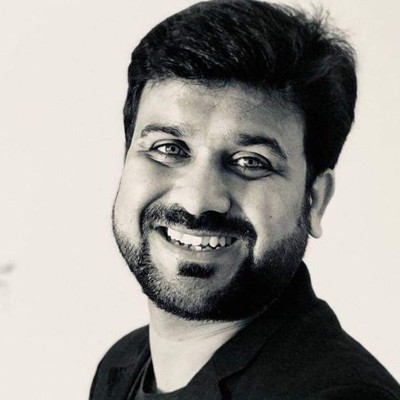
Hi, I’m Prashant Jain — a film enthusiast and critic who lives and breathes cinema. From big-screen releases to the latest drops on OTT, I watch extensively and review honestly, without hype or bias.
I believe a good review should go beyond just “good” or “bad.” It should help you understand what works, what doesn’t, and whether a film is truly worth your time. My reviews focus on storytelling, performances, direction, and overall impact — all through the lens of a genuine viewer.
I regularly cover new movie releases and trending web series across OTT, bringing clear, no-nonsense insights for audiences who want real opinions, not paid praise.
Through PopNewsBlend, I aim to cut through the noise and give you reviews you can trust — whether you’re deciding what to watch next or just love discussing cinema as much as I do.
Discover more from Popnewsblend
Subscribe to get the latest posts sent to your email.
Related posts:
 The Ultimate Guide to the Best Bollywood Comedy Movies Ever Made
 Tanvi: The Great – A Landmark in Indian Cinema
 Thug Life Movie (2025)Review: Kamal Haasan & Mani Ratnam’s Ambitious Reunion Delivers Style Over Substance
 Ek Din Movie Review (2026): Junaid Khan & Sai Pallavi Deliver a Soulful Love Story That Stays With You

Pingback: Dadi Ki Shaadi Review: Neetu Singh and Kapil Sharma Deliver a Heartwarming Family Drama